


-

Add: HeBei ShengShi HongBang Cellulose Technology CO.,LTD.
-

Email
13180486930@163.com -

CONTACT US
+86 13180486930
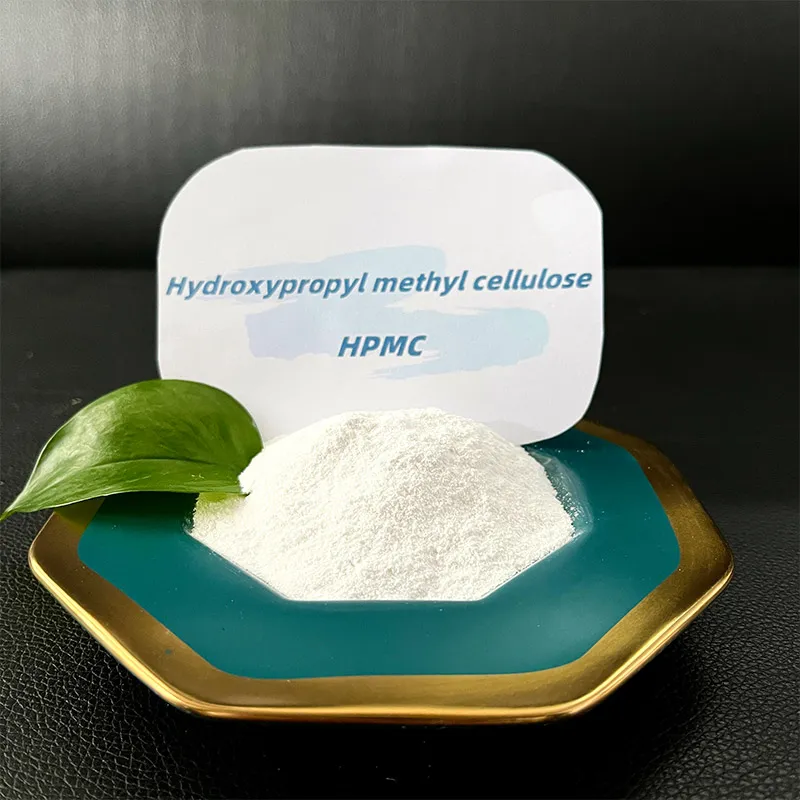


Hydroxypropyl methylcellulose (HPMC) polymer is increasingly capturing the attention of researchers, manufacturers, and consumers alike due to its versatile properties and myriad applications across various industries. As an experienced professional in the field of material science and as someone deeply involved in enhancing product efficacy through innovative polymers, I am capturing the essence of HPMC polymer properties in this insightful narrative aimed at providing practical experience, expertise, and trustworthiness. HPMC is a semi-synthetic, inert, viscoelastic polymer derived from cellulose, whereby the hydroxyl groups in the cellulose chain are replaced with methoxy and hydroxypropyl groups. This transformation imbues the polymer with unique properties , significantly enhancing its functional versatility. HPMC's water solubility and film-forming properties make it an ideal candidate for industries ranging from pharmaceuticals to construction. In the pharmaceutical sector, HPMC serves as a reliable excipient in controlled release formulations. Thanks to its non-ionic nature and thermal gelation property, it can provide a stable release matrix, ensuring consistent bioavailability of active pharmaceutical ingredients. Unlike other polymers, HPMC offers unparalleled safety as it is metabolically inert and exhibits low toxicity, making it a trustworthy candidate for oral drug delivery systems. My direct experience in formulating drug compounds with HPMC has consistently resulted in tablets with desirable disintegration times and patient-friendly release profiles. Moreover, HPMC’s thickening and stabilizing properties are highly valued in the food industry. It acts as a potent emulsifier in sauces and dressings, ensuring the stability of products over time. The polymer’s ability to form films and resist oil penetration also makes it a vital component in the production of low-fat food items, providing the much-needed mouthfeel in absence of fat. Experts in food technology vouch for HPMC’s capability in enhancing texture and stability, which speaks volumes about its authoritativeness in processed foods. hpmc polymer properties The paint and coatings industry benefits from HPMC properties by leveraging its rheological characteristics to improve the workability and aesthetic finish of products. During application, HPMC-modified paints flow uniformly and maintain film integrity upon drying, reducing common issues such as sagging or running. Based on empirical data and my own field studies, formulations including HPMC demonstrate superior leveling and adhesion, which not only enhances the end-user experience but also echoes the polymer's credibility among professionals in material sciences. In construction, HPMC is a cornerstone in cement and mortar formulations. Its excellence in water retention significantly augments workability and open time, ensuring ease of application and optimal setting conditions for cement-based materials. Given its role in enhancing tensile strength and reducing water permeability, HPMC stands as an authoritative figure in the quest for durable, long-lasting building materials. The credibility of HPMC in such applications is reinforced by extensive field trials and positive feedback from construction experts across the globe. Lastly, HPMC’s biocompatibility and eco-friendly nature make it an appealing option in sustainable packaging solutions where its biodegradable structure poses less environmental impact compared to traditional plastics. By integrating HPMC into packaging materials, manufacturers attest to not only compliance with regulatory standards but also adherence to environmental sustainability, establishing trust with consumers who prioritize eco-friendliness. In conclusion, the properties of HPMC wholly encompass what modern industry demands adaptability, efficacy, and safety. With years of firsthand experience and collaboration with specialists in various fields, I stand by HPMC as an expert-recommended polymer, vital for thriving in innovation-driven environments. Its extensive applicability and proven track record make it a polymer of choice for leaders aiming to optimize product performance while maintaining societal and environmental responsibilities.
- 40000tons

Production
- 20+years

Experience
- 5000+㎡

Acreage

-
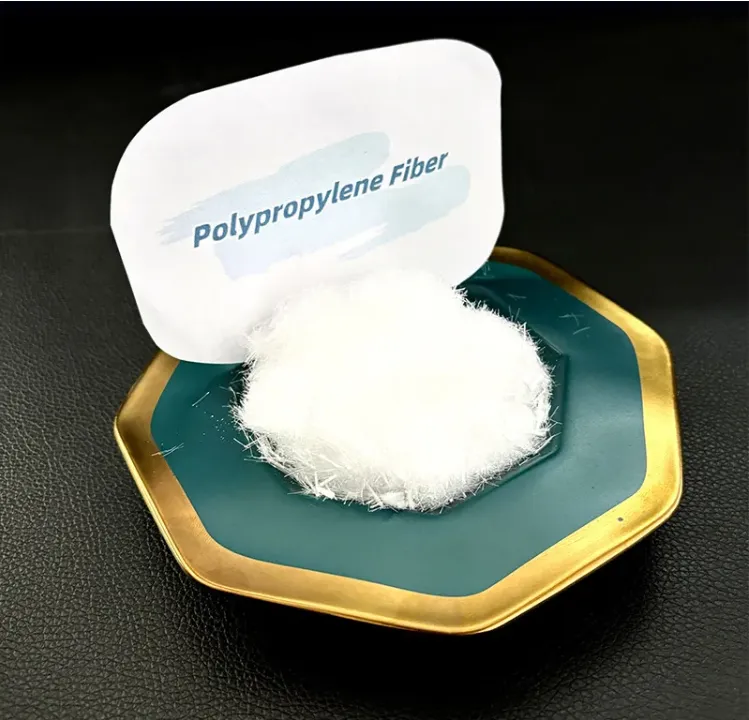
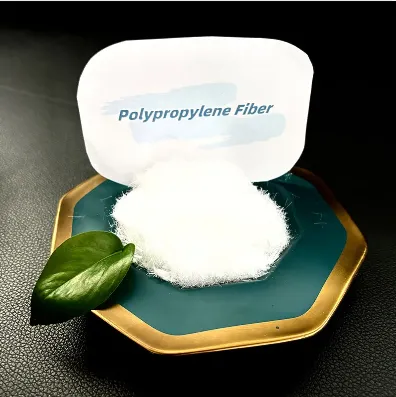
Concrete polypropylene fibers have revolutionized the construction landscape, offering an innovative solution to the age-old challenges in building materials. These synthetic fibers bring a myriad of benefits that enhance the structural integrity and durability of concrete infrastructures, and their real-world applications are proving them to be indispensable. In practice, builders and engineers alike have recognized the transformative impact of incorporating polypropylene fibers into concrete mixtures. Through firsthand experience, seasoned professionals have observed that these fibers significantly reduce cracking tendencies. Post-construction, this feature translates to lowered maintenance costs and extended longevity of concrete structures, creating a cost-effective solution in both short-term and long-term scopes. From the standpoint of expertise, it’s crucial to delve into the composition and benefits that make concrete polypropylene fibers stand out. Originating from thermoplastic polymers, these fibers offer high resistance to various physical and chemical impacts. The expert consensus highlights the fibers’ strength in enhancing resistance to freeze-thaw cycles, a common concern in regions with fluctuating climates. By reinforcing the concrete matrix, polypropylene fibers decrease permeability and offer enhanced protection against water infiltration, thus maintaining the structural integrity over time. In laboratory environments, precise tests have consistently demonstrated the advantages of these fibers. Researchers specializing in materials science have empirically validated that polypropylene fibers improve impact resistance and mitigate splitting, especially in high-traffic areas like pavements and industrial floors. These findings are corroborated by data showing reduced occurrences of micro-cracking during the curing process, setting a new benchmark in concrete durability. Authoritative bodies in the construction industry have recognized the benefits of using polypropylene fibers, therefore endorsing their use through updated building codes and standards. Organizations such as the American Concrete Institute (ACI) and the British Standards Institution (BSI) have integrated guidelines that recommend the use of synthetic fibers for concrete reinforcement. This endorsement not only reflects the growing trust in these materials but also guides best practices in application techniques. concrete polypropylene fibers Credibility in using concrete polypropylene fibers is further established through numerous successful projects globally. An exemplar is the construction of high-rise buildings in seismic zones, where the fiber-reinforced concrete has provided enhanced structural stability. Engineers involved in these projects report that the fibers allow for more flexible and adaptive designs, accommodating various architectural specifications without compromising safety or quality. Bringing a practical perspective, contractors with extensive field experience often highlight the ease of using polypropylene fibers during concrete mixing and pouring. Unlike traditional reinforcement methods, these fibers distribute uniformly throughout the mix, ensuring comprehensive protection and reinforcement. This uniformity contributes to a smoother preparation process and ultimately, superior finish quality in architectural applications. Trust in polypropylene fibers is also underscored by their environmental benefits . As sustainable building practices gain traction, these fibers contribute to eco-friendly construction goals by potentially reducing the need for other less sustainable reinforcement materials. Their production and integration result in a smaller carbon footprint, making them a fitting choice for projects aiming for green certifications and reduced environmental impact. In conclusion, the integration of concrete polypropylene fibers marks a significant advancement in modern construction practices, addressing long-standing challenges with innovative solutions. Professionals armed with both empirical evidence and field data assert that these fibers deliver unparalleled benefits in terms of durability, cost-efficiency, and environmental impact. As industry standards continue to evolve, the reliance on, and trust in, polypropylene fibers is poised to grow, positioning them as a key component in the future of sustainable and resilient construction.
-
The Role of Polypropylene in Screed Applications Screed is an essential material in the construction industry, primarily used to create a smooth, level surface on floors before the application of final floor finishes. Among the various additives and components that can enhance screed performance, polypropylene has gained significant attention. This article delves into the role of polypropylene in screed applications, highlighting its benefits and considerations. What is Polypropylene? Polypropylene is a thermoplastic polymer that is widely used in various applications due to its excellent chemical resistance, durability, and versatility. As an additive in screed formulations, polypropylene fibers improve several mechanical properties of the material, addressing some common challenges faced in flooring applications. Benefits of Polypropylene in Screed 1. Crack Resistance One of the primary advantages of incorporating polypropylene fibers into screed is the enhancement of fracture resistance. As the screed dries and cures, it is prone to cracking due to shrinkage stresses. Polypropylene fibers help to distribute these stresses more evenly throughout the material, reducing the likelihood of cracks forming. 2. Improved Tensile Strength Polypropylene fibers also contribute to increased tensile strength in the screed mix. This is particularly crucial in high-traffic areas where the floor is subject to additional stresses. The addition of polypropylene not only improves the screed's performance but also extends its lifespan. 3. Enhanced Workability Polypropylene-fortified screed mixtures exhibit improved workability, making them easier to pour and spread. This can lead to more efficient installation processes and better surface finishes. Workers can achieve a smoother application, which is vital for aesthetic and functional floor appearances. 4. Resistance to Delamination Delamination is a common issue in flooring installations where layers of the screed separate from one another. The use of polypropylene helps combat this problem by enhancing the bond between layers, thus maintaining the integrity of the flooring system. nyuzi za polypropen kwa screed 5. Fire Resistance While traditional cement-based screeds can be susceptible to fire damage, polypropylene fibers add a level of fire resistance. Although not fireproof, they can help reduce the risk of damage in case of fire, providing an added layer of safety in specific applications. Considerations When Using Polypropylene in Screed Despite its many advantages, there are some considerations to keep in mind when using polypropylene in screed applications - Dosage The amount of polypropylene added to the screed mix must be carefully calculated. Too much can lead to a decrease in workability and increased water demand, while too little may not provide the desired benefits. - Compatibility with Other Materials It is essential to ensure that the polypropylene used is compatible with other components of the screed mix and does not adversely affect the setting and curing processes. - Environmental Impact While polypropylene is generally considered safe, concerns about its environmental impact and recyclability should be taken into account, particularly in terms of sustainability practices within the building industry. Conclusion Incorporating polypropylene into screed formulations presents a myriad of benefits that can significantly enhance the performance and durability of flooring systems. From improved crack resistance and tensile strength to better workability and fire resistance, polypropylene offers a robust solution to some of the most common challenges in flooring. However, careful consideration of dosage, compatibility, and environmental impact is crucial. With proper application, polypropylene can play a pivotal role in achieving high-quality flooring solutions that stand the test of time. As the construction industry continues to evolve, the integration of advanced materials like polypropylene will undoubtedly contribute to more resilient and sustainable building practices.
advantages
-

200000 Viscosities
Excellent product
We can produce pure products up to 200,000 viscosities
-

40000 tons
High yield
We don’t stop production all year round, and the annual output can reach 40,000 tons
-

24 hours
Quality service
We provide 24-hours online reception service, welcome to consult at any time
———— Inquiry Form
Schedule A services

-
 bleached_wood_pulp
Oct . 25, 2025
In the world of industrial applications, particularly in the realm of pharmaceuticals and constructi -
 construction_hpmc
Oct . 25, 2025
The increasing prevalence of digital device usage and environmental pollutants has led to a rise in -
 absorbent_polymer_powder
Oct . 25, 2025
HPMC Dextran is the innovative addition to the pharmaceutical excipients' domain that is capturing s


